 Bastien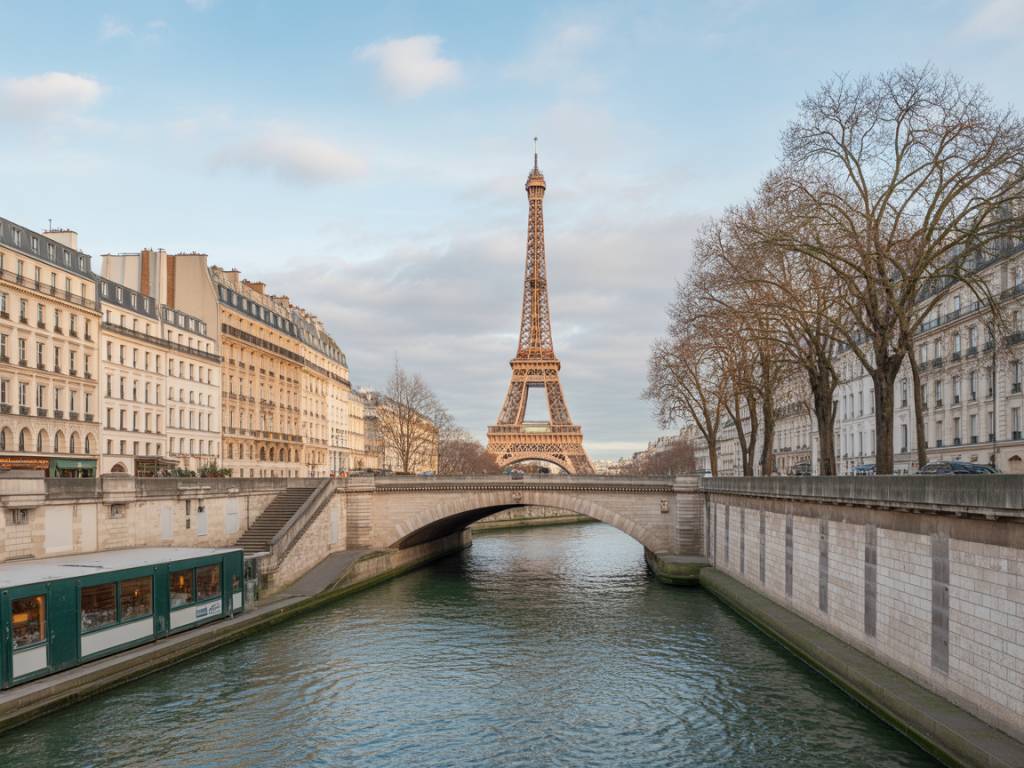
Visiting Paris in December is often framed as a romantic cliché: Christmas lights, café terraces under heat lamps, and long walks by the Seine. That image is not wrong, but it misses a key point: December is also a highly strategic month to discover the city differently, with fewer crowds, more accessible culture, and a gastronomy scene in full seasonal peak.
For business travelers, remote workers or simply curious visitors who prefer substance over postcard shots, December offers a combination that is rare in high-season months: strong cultural programming, serious culinary opportunities, and prices that are (often) less aggressive than in spring and early autumn.
Understanding Paris in December: crowds, costs and atmosphere
Tourism in Paris follows fairly predictable patterns. According to data from Atout France and the Paris Convention and Visitors Bureau, the busiest periods in terms of international arrivals remain May–July and September–October, with hotel occupancy often above 80–85% in central districts. December, by contrast, is a more segmented month:
- Early December: relatively calm, with occupancy and airfares lower than high season.
- Mid-December: gradual rise in European city-break tourism.
- Christmas to New Year’s Eve: strong demand from leisure travelers, especially families.
If you can travel during the first half of December, you’ll usually find a sweet spot:
- More availability in centrally located hotels and apartment rentals.
- Better rates on flights and train tickets, particularly mid-week.
- An ambience that is already festive (illuminations, markets, exhibitions), without the full holiday rush.
Practically, that means less time queuing, more chances to secure good restaurant tables, and a city that breathes a bit more than in June. Add to this a typical December temperature hovering between 3°C and 8°C, and you get a city made for walking—as long as you pack a good coat and waterproof shoes.
Cultural Paris in December: exhibitions, music and winter lights
December is an excellent month to “consume” culture in Paris strategically. Major institutions have their blockbuster exhibitions running, but the high-season tourist pressure is lower. This changes very concretely your experience of the city.
First, museums and galleries. The Louvre, Musée d’Orsay, Centre Pompidou and Fondation Louis Vuitton usually maintain strong exhibition calendars through December. Visiting on a weekday morning can radically transform what is often an overcrowded experience in spring or summer.
- Louvre and Orsay: Time slots before 11 a.m. or late opening nights are your best allies. In December, those slots are more likely to be breathable.
- Fondation Louis Vuitton and Bourse de Commerce – Pinault Collection: Contemporary art venues that often host major shows, with a more local Parisian audience during winter.
- Smaller museums (Musée Rodin, Musée de l’Orangerie, Musée Carnavalet): Less touristy, particularly pleasant when it’s cold outside, and rarely saturated in early December.
Second, music and performing arts. The Paris Opera (Garnier and Bastille), Philharmonie de Paris and Théâtre du Châtelet typically schedule some of their strongest productions around the holiday season—ballets, operas, symphonic concerts.
- If you book in advance, December is a rare chance to integrate a world-class cultural experience between two business meetings or during a short city break.
- Last-minute tickets are sometimes released a few hours before performances; December’s slightly reduced business travel can play in your favor.
Finally, winter lights and public space. Paris uses December as a showcase:
- Champs-Élysées, Rue de Rivoli, Place Vendôme, Avenue Montaigne: Illuminations that transform evening walks into a visual experience, even if you’re just returning from a client dinner.
- Department stores (Galeries Lafayette, Printemps Haussmann, Le Bon Marché): Spectacular window displays and interior decorations; a good way to observe how French retail merges storytelling, brand strategy and seasonal consumption.
If you work in marketing, retail or hospitality, December in Paris is almost a field study: you see in real time how the city stages itself for domestic and international audiences.
Gastronomy: December is peak season, not low season
While tourism demand softens in early December, gastronomy goes in the opposite direction. This is the pre-Christmas period, when French households and companies invest heavily in meals, gifts and celebrations. For visitors, that means three things: outstanding products, busy restaurants, and a clear need to plan.
On the product side, December is arguably one of the best months for seasonal French cuisine:
- Seafood and shellfish: Oysters, scallops, sea urchins and prawns are at their best. Many brasseries and seafood counters display massive platters designed for sharing.
- Game and winter dishes: Venison, wild boar, pheasant, as well as hearty dishes like boeuf bourguignon, cassoulet or confit de canard appear frequently on menus.
- Cheese and charcuterie: Winter is prime time for rich cheeses (Mont d’Or, Comté, Brie de Meaux) and cured meats, often served with good bread and wine rather than as a side dish.
- Pastry and seasonal desserts: Bûches de Noël (Christmas logs), chestnut-based desserts, and citrus-focused pastries dominate shop windows.
On the restaurant side, December is intense. Corporate dinners, year-end lunches and family gatherings fill many tables, especially on Thursdays and Fridays. If you want to test the Parisian gastronomic ecosystem without frustration, a few strategies help.
- Book in advance for “destination” restaurants. For starred venues and trending bistros (often in the 10th, 11th and 20th arrondissements), reservations two to three weeks before arrival are recommended, especially for dinner.
- Target lunch rather than dinner. Many high-level restaurants offer more affordable lunch menus with easier availability. For business meetings, this is often a better balance between budget, time and atmosphere.
- Leverage wine bars and neo-bistros. They form the backbone of modern Parisian dining, with high-level cooking and more flexible booking policies.
- Consider Sundays and Mondays strategically. Some restaurants close, but those that open may be less saturated, and you can discover very local addresses in residential neighborhoods.
For professionals in food, hospitality or retail, a December visit also reveals how French gastronomy structures its high season: special menus, premium product sourcing, and an entire logistics chain designed for end-of-year peaks. Observing this from the inside can feed concrete ideas for your own market.
Off-season experiences: a different rhythm for the city
Visiting Paris in August, with half the city on holiday, is already a special experience. December offers another kind of shift: the city is working hard, but in a more interior, almost introspective mode. If you’re attentive, you can pick up a rhythm very different from classic tourist circuits.
First difference: the streets themselves. Paris in December invites shorter but more meaningful walks.
- Along the Seine: A stroll between Notre-Dame, Île Saint-Louis and the Left Bank quays is particularly atmospheric in the late afternoon. The cold sharpens the senses, and cafés become true refuges rather than mere Instagram backdrops.
- Covered passages: Passages like Galerie Vivienne, Passage des Panoramas and Passage Jouffroy concentrate independent shops, small restaurants and a 19th-century architecture that protects you from the weather.
- Eastern neighborhoods: Oberkampf, Belleville, Canal Saint-Martin, and Bastille show a more local Paris, with bars, galleries and small venues adapted to shorter days and longer evenings.
Second difference: the relationship to time. Shorter daylight naturally structures your day. Many visitors switch to a three-part rhythm:
- A cultural or professional block in the morning (meetings, museums, visits).
- A walking or exploring block in the afternoon, with coffee breaks.
- An extended dinner or concert in the evening.
This rhythm suits both business and leisure trips. It allows you to integrate work efficiently (meetings, conferences, remote sessions) while still experiencing the city intensively, without the exhaustion of summer heat or endless queues.
Finally, December is also a test of resilience for businesses. Restaurants, shops, cultural venues and even transport networks operate under high pressure until early January. Observing how Parisians navigate strikes, weather variations and peak consumption gives a very real picture of how a major European metropolis absorbs stress and remains functional.
Leveraging Paris in December as a business or remote-work hub
For many professionals, Paris is not just a destination but a platform: a central node for meetings, conferences and hybrid work. December can be a surprisingly efficient moment to use the city in this way.
On the connectivity side, Paris remains extremely well served even in winter. High-speed trains link the city to London, Brussels, Amsterdam, Frankfurt and major French cities in a few hours. Air traffic remains dense, and early December flights often avoid the pricing peaks of summer or late December.
For remote workers or entrepreneurs wanting to combine productivity and discovery, the city offers a wide range of work-friendly spaces:
- Coworking spaces: Districts like Sentier, Opéra, République and Gare de Lyon are filled with flexible offices and coworking hubs. Day passes are widely available.
- Cafés with Wi-Fi: While many traditional cafés are not designed as workspaces, a growing number of venues—especially in the 10th, 11th and 3rd arrondissements—combine specialty coffee, sockets and a tolerant atmosphere for laptops, particularly in the morning.
- Hotel lobbies: Business hotels and boutique hotels often open their lounges to non-guests during the day, in exchange for regular consumption. In December, these spaces are usually quieter outside breakfast and evening peaks.
On the business side, year-end in France is a time for wrapping up projects, negotiating budgets and preparing the year to come. If your sector touches the French market, December can be a pivotal moment to:
- Meet partners or clients who are in a more reflective, strategic mindset.
- Attend conferences, trade shows or professional gatherings that concentrate before the holiday break.
- Observe consumer behavior in real time, especially in retail, hospitality, food, luxury and culture.
The key is to accept the seasonal rhythm: mornings and early afternoons for business or focused work, the end of the day for immersion in the city’s cultural and gastronomic life.
Practical tips to make the most of a December stay
To turn a December trip to Paris into an efficient, enjoyable experience, a few practical decisions go a long way.
- Location over size for accommodation. In winter, proximity matters more than a few extra square meters. Staying near a central transport hub (Châtelet, Gare de Lyon, Montparnasse, Saint-Lazare) or in walkable neighborhoods (Marais, Saint-Germain, Latin Quarter, Canal Saint-Martin) reduces your exposure to cold and rain while maximizing flexibility.
- Layered clothing strategy. The key is to be able to switch from cold, humid streets to overheated interiors quickly: base layer, sweater, warm coat, scarf and gloves. An umbrella and waterproof shoes are more useful than extra outfits.
- Use public transport intelligently. The metro is efficient and relatively resilient, but December sometimes brings strikes. Download official apps (RATP, SNCF Connect) and keep walking and bus alternatives in mind for short trips.
- Book the essentials, leave room for serendipity. Reserve in advance for major restaurants, shows and exhibitions you really want. Then keep open slots to wander, test a café you spotted by chance or spend longer than expected in a museum.
- Time your museum visits. Early mornings, late afternoons or late-night openings are your allies. Combine one “big museum” with one smaller venue rather than attempting a marathon that turns culture into fatigue.
- Think in “micro-areas.” Structure your days by zones (for example: morning near Opéra, afternoon in the Marais, evening in Bastille) to reduce transport time and stay grounded in the city.
Above all, December in Paris rewards attention to detail. The way a café arranges its terrace under heaters, the seasonal menu posted on a blackboard, the mix of tourists and locals in a department store on a Tuesday morning—all these small elements build a picture of a city that is not frozen in postcard imagery but constantly adjusting to the season, the economy and its visitors.
For travelers who want more than a checklist of monuments, December offers a particularly rich vantage point: Paris as a living system, at a moment of the year when culture, gastronomy and everyday life intersect in a dense, tangible way. If your goal is to understand the city—and not just to tick it off a list—this off-season window is one of the most rewarding times to go.